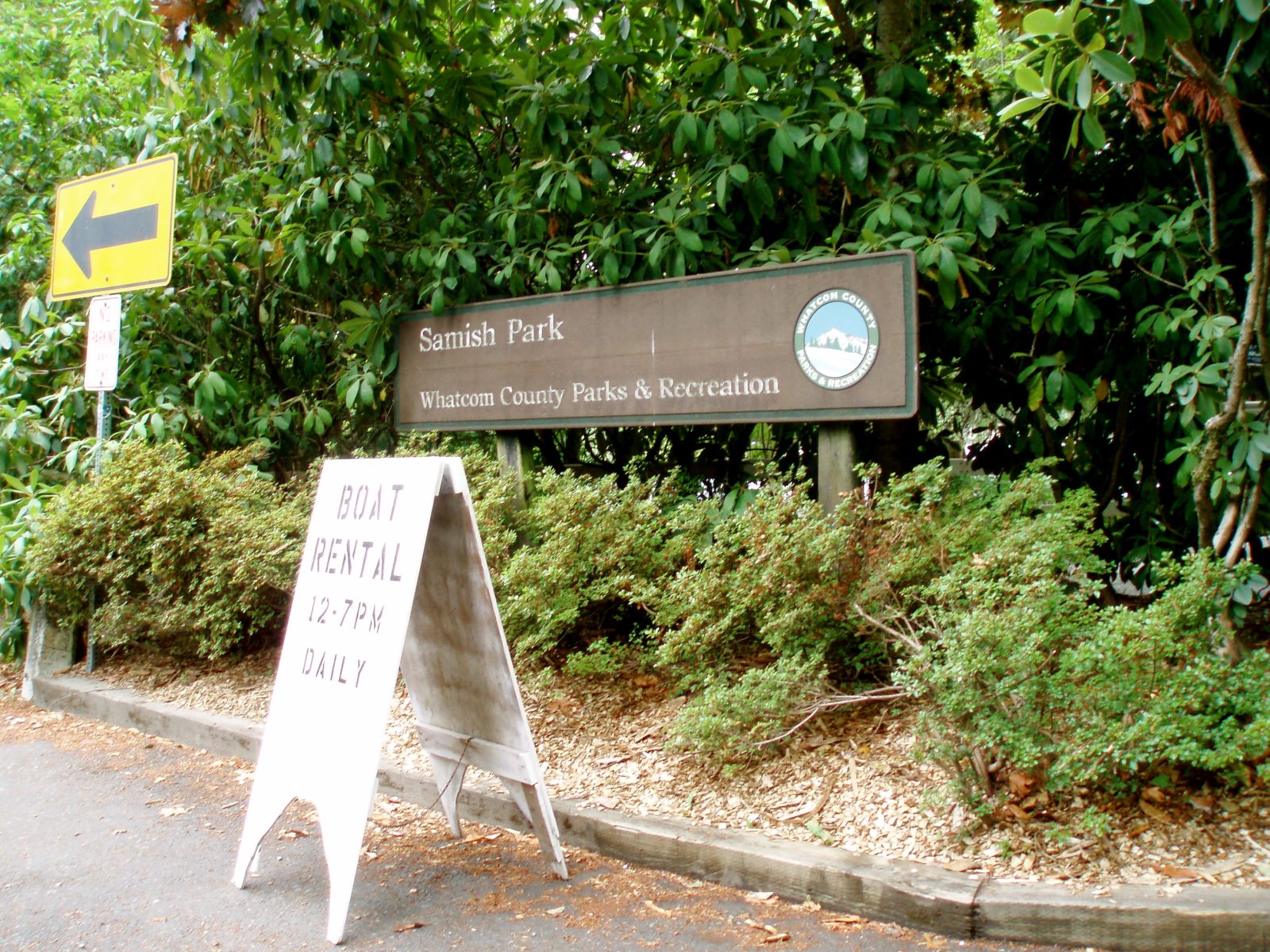
Bellingham, Wash. — Whatcom County health officials are advising some Lake Samish residents to take precautions after recent water testing detected elevated levels of microcystin, a toxin produced by certain blue-green algae blooms.
According to Whatcom County Health and Community Services (WCHCS), testing conducted along the lake’s east shore found microcystin concentrations that remain within drinking water guidelines for healthy adults and children over the age of six. However, the levels exceed recommended limits for several groups that are more susceptible to the toxin.
Those considered most at risk include infants and young children, pregnant or breastfeeding women, older adults, people with weakened immune systems, and individuals with liver disease.
Residents who draw their drinking water directly from Lake Samish through private water systems are encouraged to use caution, particularly if their treatment systems have not been verified to remove cyanotoxins.
Health officials recommend that vulnerable individuals avoid using untreated lake water for drinking, cooking, brushing their teeth, or preparing infant formula while algae blooms remain present. Bottled water or another safe drinking water source should be used instead.
Blue-green algae blooms often resemble spilled paint floating on the water’s surface and may appear blue-green, brown, or reddish-green.
Exposure to cyanotoxins can occur by swallowing contaminated water, coming into direct skin contact with it, or inhaling water droplets or mist. Symptoms may develop within hours or several days after exposure and can include nausea, vomiting, and abdominal pain. Anyone experiencing symptoms after consuming lake water should seek medical attention.
Officials also advise keeping pets and livestock away from water affected by algae blooms.
Despite the elevated toxin levels, WCHCS says current microcystin concentrations remain below thresholds that would make swimming or other recreational water activities unsafe, as people typically ingest much smaller amounts of water during recreation than they do through drinking.
The county has mailed notifications to lakeside residents who may rely on Lake Samish as a drinking water source through private home treatment systems.
Comments
No comments yet. Say something.